


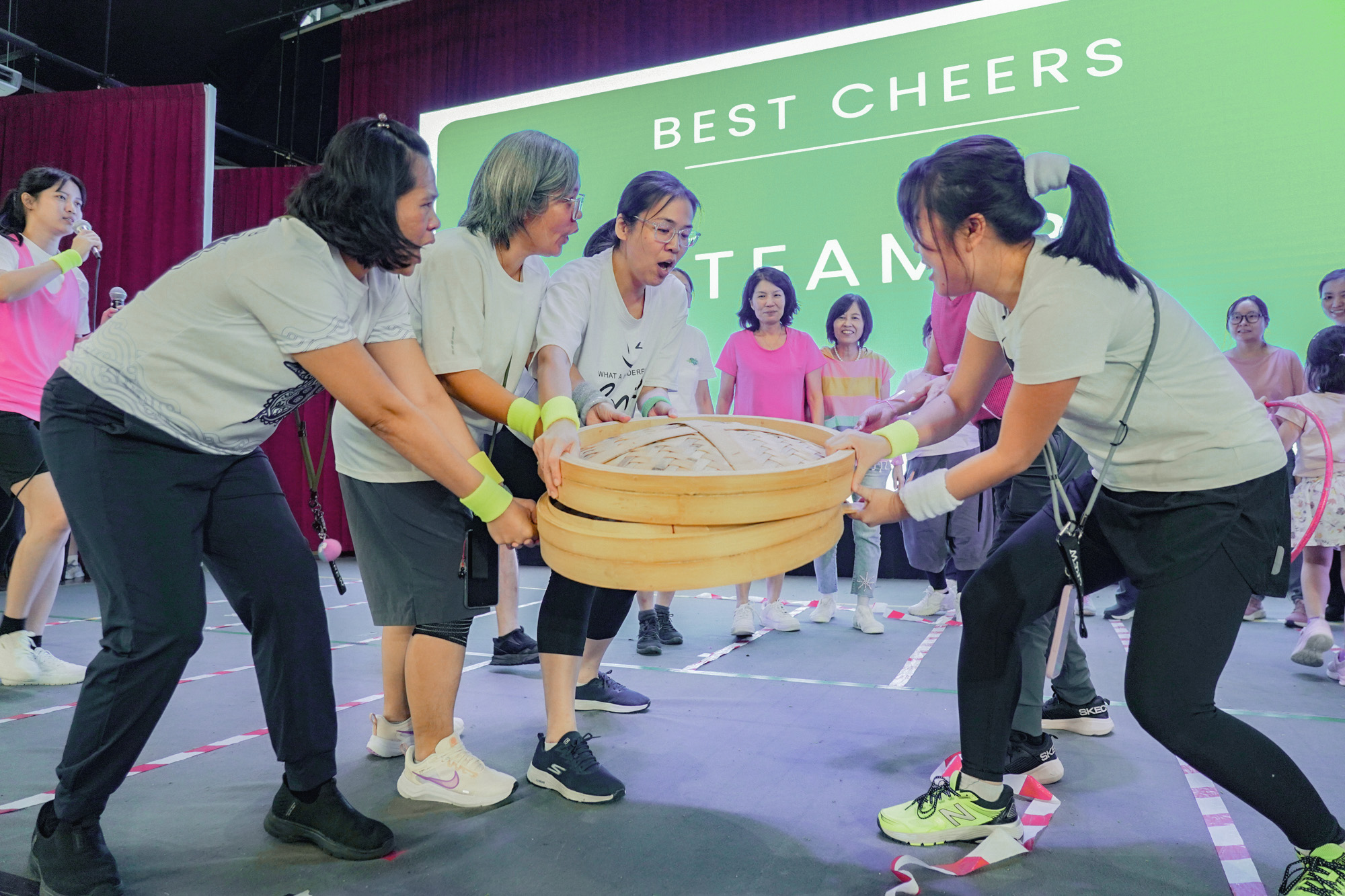
At Staff GetActive Day, employees put aside their usual responsibilities and simply enjoy playing together. (Photo by Lim Chee Yong)
In fast-paced Singapore, workplace stress is a challenge nearly every employee faces. When left unmanaged, this stress can lead to burnout, a state in which employees lose motivation, feel physically and mentally exhausted, and may even begin to question the purpose of their work.
According to the Workplace Happiness Index released on 5 February 2026 by Jobstreet by SEEK, only 56% of workers in Singapore report feeling somewhat happy or very happy at work, while as many as 45% experience burnout.
The report also highlights that employees who feel unhappy at work are 1.5 times more likely to suffer burnout than their happier counterparts, underscoring the strong link between workplace happiness and overall physical and mental wellbeing.
Mental wellness has gradually become an issue of concern in society, especially in the post-pandemic era. As companies and organisations strive for growth, they are also recognising the importance of fostering a work environment that prioritises employees’ sense of happiness.
Doing a Little More to Create a Happier Workplace
As a people-centred organisation, Tzu-Chi Foundation (Singapore) established a task force called the People x People Team (PPT) at the end of 2023, which focuses on the development of the physical, mental, and spiritual wellbeing of its staff.
Although the PPT operates under the HR department, its members come from a variety of divisions, including preschool, medical establishments, and finance department. General Manager of the Foundation and PPT initiator, Ms Boh Shuhui, explained that this cross-departmental composition helps the team better understand the needs and perspectives of different staff groups, allowing them to provide support that is more meaningful and relevant.
To support employees’ physical wellbeing, weekly Zumba and Fight Do classes are held during the hour before the end of the workday. Staff are also encouraged to form their own interest groups, such as organising after-work jogging sessions. Recognising that the nature of work in preschools and medical establishments may make it difficult for some staff to attend these classes, or that some may simply prefer other forms of exercise, the PPT team also proposed to the HR department that sports-related expenses under the ActiveSG programme be reimbursable.
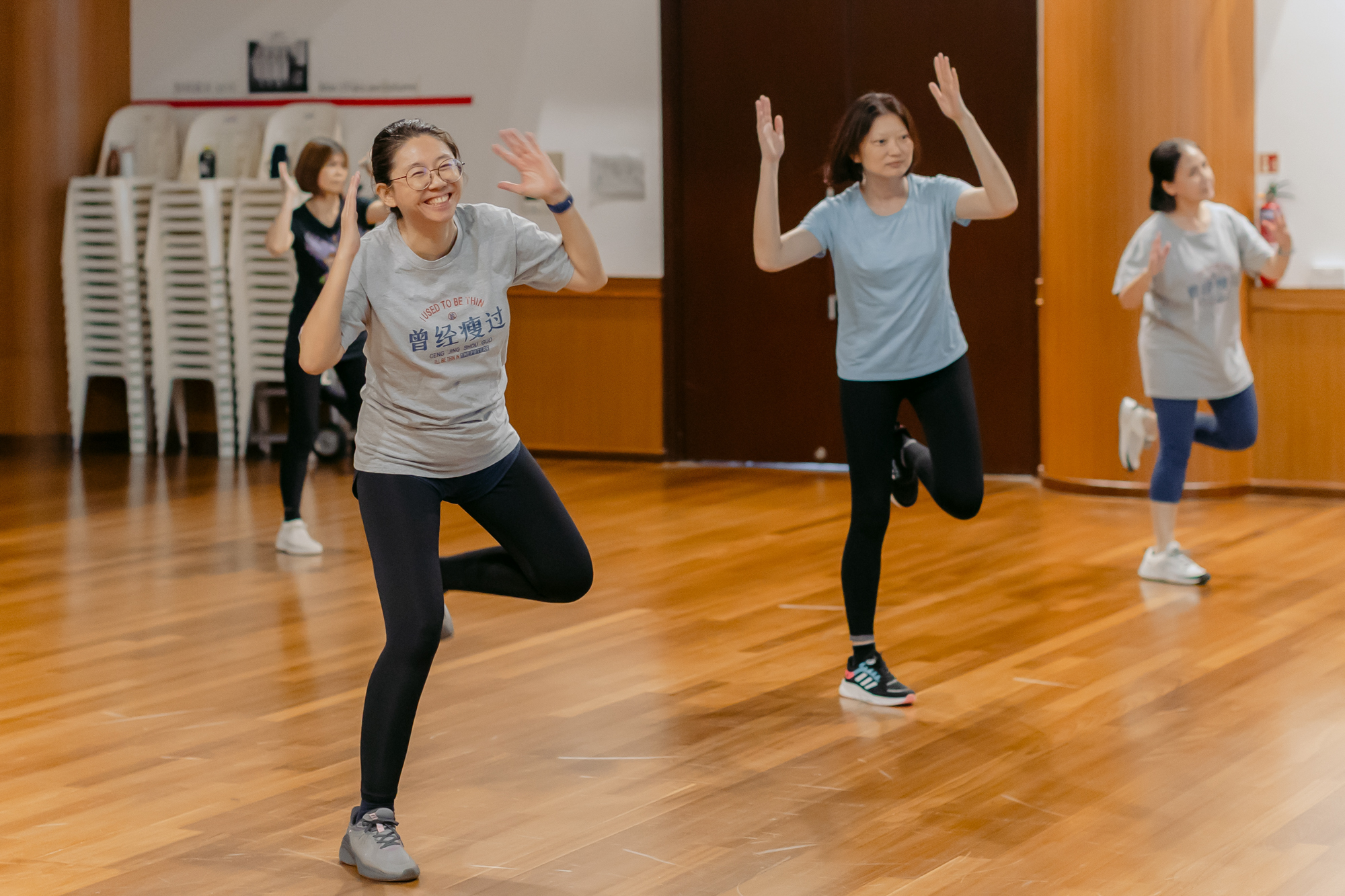
The Zumba classes, which have been running for over two years, are especially popular among staff, providing much-needed physical activity for those who have little time to exercise. (Photo by Donn Tan)
“For many of us, work is so busy that we hardly have time to exercise,” shared Zumba participant Hong Sing Chuen. “Having an hour of exercise during working hours is really beneficial.” She admitted that she seldom takes the initiative to exercise on her own, and said the programme is especially helpful for busy employees. With the classes held right at Jing Si Hall, it also removes common barriers such as time and location.
To further encourage participation, the PPT has set aside a dedicated budget to subsidise the classes, allowing staff to pay only S$5 per session and motivating more people to join.
To better care for staff’s mental wellbeing, the team organises mindfulness workshops that guide staff through breathing exercises and self-awareness practices to help relieve stress. They also host activities such as Staff GetActive Day and Hump Day, creating opportunities for employees from different departments to connect and engage. During Christmas, personalised appreciation gifts are prepared, allowing staff to feel valued and recognised.
As for the spiritual aspect, staff are encouraged to take part in volunteer activities, giving them the opportunity to experience the fulfilment and personal growth that come from giving and serving others.
Au Foong Yee, a staff member from Tzu Chi Great Love Preschool, shared that the mindfulness workshops have been particularly meaningful for her. Since attending, she has incorporated mindfulness practice into her daily routine each afternoon, helping her relieve stress and stay present. She was also deeply touched by the Staff Appreciation Dinner held in April 2024, where the care and thoughtfulness of the PPT team members were evident, especially through a photo wall that displayed candid moments of staff at work.
“I even shared the photos with teachers who couldn’t attend,” she said. “Although these photos simply show our everyday work, it means a lot that our efforts are seen and recognised.
Au Foong Yee also noted that some activities, such as Hump Day, are harder for preschool teachers to join because they are constantly on the frontline. “We rarely have the chance to gather and rest together,” she said. Still, when the PPT arranged for snacks to be delivered to them, she could feel the genuine care behind the gesture. She also expressed her wish that the team will discover the love language that resonates most with the early childhood educators.
Stepping Outside the Office to Connect Heart to Heart
Boh Shuhui fondly recalled the Staff Appreciation Dinner organised by the PPT in April 2024 at the Tzu Chi Humanistic Youth Centre. The event was designed to create a warm and relaxed atmosphere, with staff invited to attend in casual attire. Gift packs and lucky draws were also prepared, offering a refreshing departure from the common perception of Tzu Chi as formal and uniformed.
Each appreciation gift also carried a meaningful story, explained through a card accompanying the item. One of the gifts, for instance, was a handmade soap created by a mother whose child suffers from eczema. In her search for safe and gentle skincare products for her child, she began learning to make soap herself. She later sold her soaps at Zero Market, forming a connection with the Foundation.

In 2024, the PPT organised its first Staff Appreciation Dinner, attended by over 200 people who gathered to celebrate together. (Photo by Gan Wen Shan)
The efforts of the PPT have been met with warm responses from staff. Team members shared that after Staff GetActive Day, many colleagues expressed their appreciation through messages, emails, or in person. Some said they had great fun and were able to release stress. Others felt a stronger sense of team spirit and belonging within the Tzu Chi family. Some appreciated the opportunity to get to know colleagues they rarely interacted with, while others joked that they never expected the management team to be able to “let loose” and have so much fun.
Teong Yee Fen, a staff member from the preschool, shared her thoughts on the event: “Even though it was a workday, it gave me the chance to step out of my usual role. That day, I wasn’t a preschool teacher, I was simply there to enjoy myself.”
For Ser Wei Ting from the Tzu Chi Humanistic Youth Centre, the event was also a valuable opportunity to interact with colleagues from other departments and missions. “Otherwise, even if we attend the same event, we might not know who the other person is,” she said. “Working in the same organisation, I think it’s important to at least know what other departments are doing.”
From “Do It When You Remember” to Systematised Care
General Manager Boh Shuhui shared that the idea of forming the People x People Team (PPT) first arose from a simple realisation: while the organisation is dedicated to serving the community, the wellbeing of its own staff deserves equal attention.
“As a charitable organisation, we extend a great deal of care to our care beneficiaries and community volunteers. Internally, we must also care for the physical, mental, and spiritual wellbeing of our colleagues,” she said.
In the past, staff engagement activities within the Foundation were usually organised on an ad hoc basis by different departments. Without a clear structure or process, it was difficult to sustain such efforts over time. For Boh Shuhui, the goal was to transform these gestures of care into something more systematic and sustainable, building a workplace culture that is both healthy and people-centred.

Staff and volunteers at Jing Si Hall celebrated the Lantern Festival with a spontaneous hotpot gathering during lunch break. (Photo by Ting Li Li)
Even after the PPT was formed, members from different departments naturally needed time to adjust to one another. Boh Shuhui shared that in the first year, in order to break down barriers, she had the entire team spend three days together in intensive discussions. The goal was to create space for open conversations, build trust, and align everyone around a shared purpose.
Looking back, she feels encouraged by the progress she has seen. “In the second year, when we organised activities, I could clearly see how each person had grown,” she said. Team members had become more collaborative, more understanding of one another, and better able to complement each other’s strengths. Their confidence had also grown because the team had cultivated an atmosphere where people felt safe to speak up, new members were able to integrate more quickly.
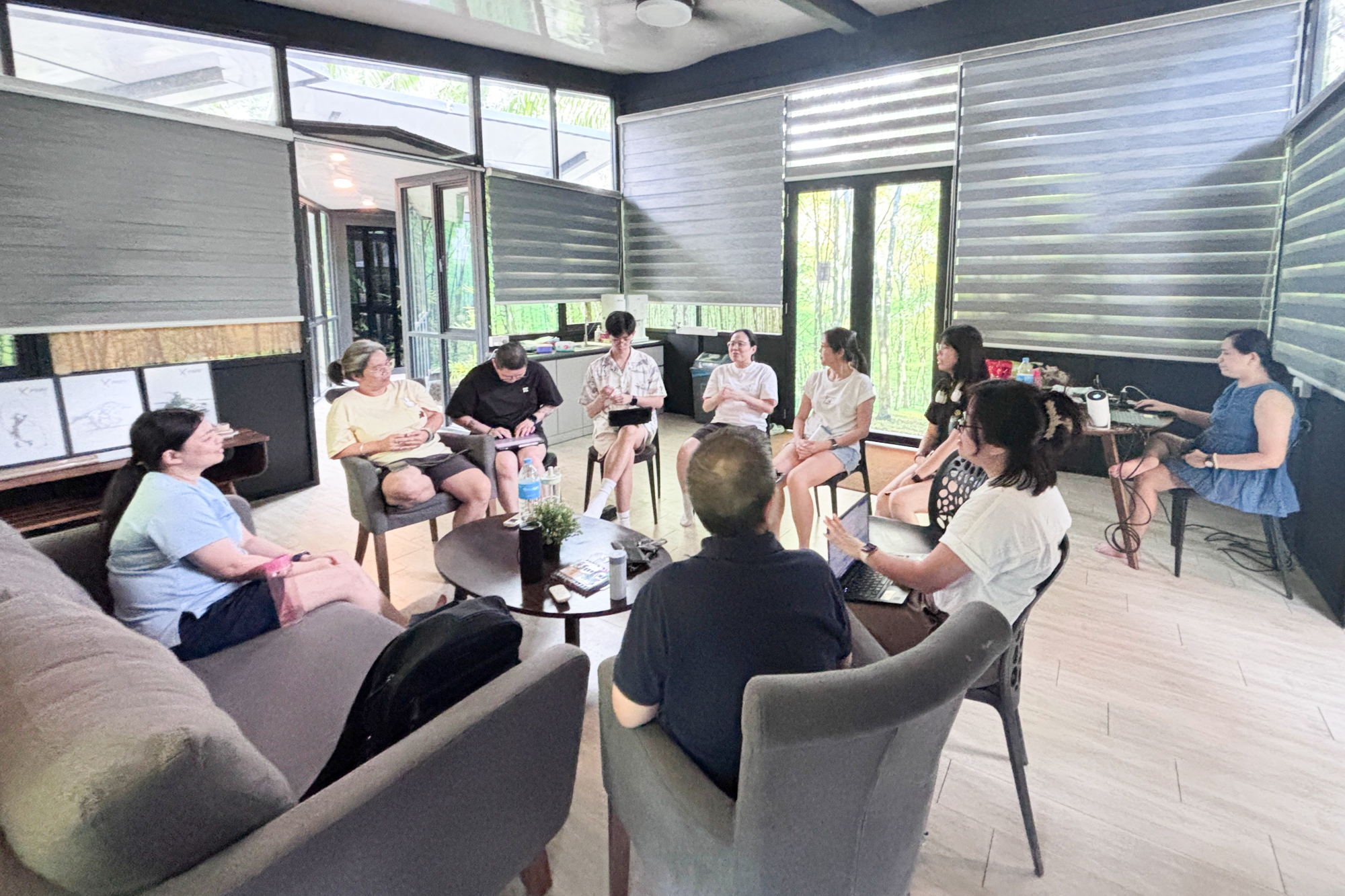 PPT team-building activities also give members a chance to encourage and support one another. (Photo courtesy of PPT)
From Work-Life Wellness to a Happier Life
When asked what workplace happiness means, Boh Shuhui believes that once a salary can cover basic living needs, true happiness at work becomes closely tied to having meaningful goals, opportunities for professional growth, and personal fulfilment. She also believes that many people choose to join Tzu Chi not simply for a paycheck, but because they want their work to make a positive difference in society.
Speaking from her own experience, Boh Shuhui said that working in the charity industry has broadened her perspective on life. “Through the stories of the families we assist, I’ve gained many insights and reflections,” she shared.
“I hope that happiness at work can eventually grow into happiness in life. I hope the colleagues who work here will not only be co-workers but also become friends in each other’s lives.”
These words resonate strongly with Ser Wei Ting, a young staff member at the Tzu Chi Humanistic Youth Centre. For her, mutual support within the team is especially important. She appreciates the atmosphere within the centre, describing it as a place where everyone is working hard to help one another become better. She added with a laugh, “Sometimes we even end up having all three meals together. It’s almost a little scary!”
Share 


